Restoring the American Melting Pot
Religious and secular workers share a constitutional stake in restoring the US melting pot, defending equal law, family, faith, wages, and civic unity.
I am a 33-year technology veteran, U.S. Army veteran, husband, and father based in Las Vegas, Nevada. I have spent my career building systems, leading teams, and contributing to an economy that has increasingly rewarded the few at the direct expense of the many.
At 63, after three decades of service, I was laid off and required to train my own foreign replacements as a condition of my severance. My EEOC case 487-2025-02289 is currently active — but I am not here because of what happened to me. I am here because it is happening to millions of American workers, and Congress has chosen to do nothing about a problem that their own legislation created.
That recognition led me to a simple conclusion: we cannot fix Congress by voting harder in general elections controlled by two captured parties. We have to go upstream — into the low-turnout primaries where a few hundred organized voters can replace an incumbent. That is the entire strategy.
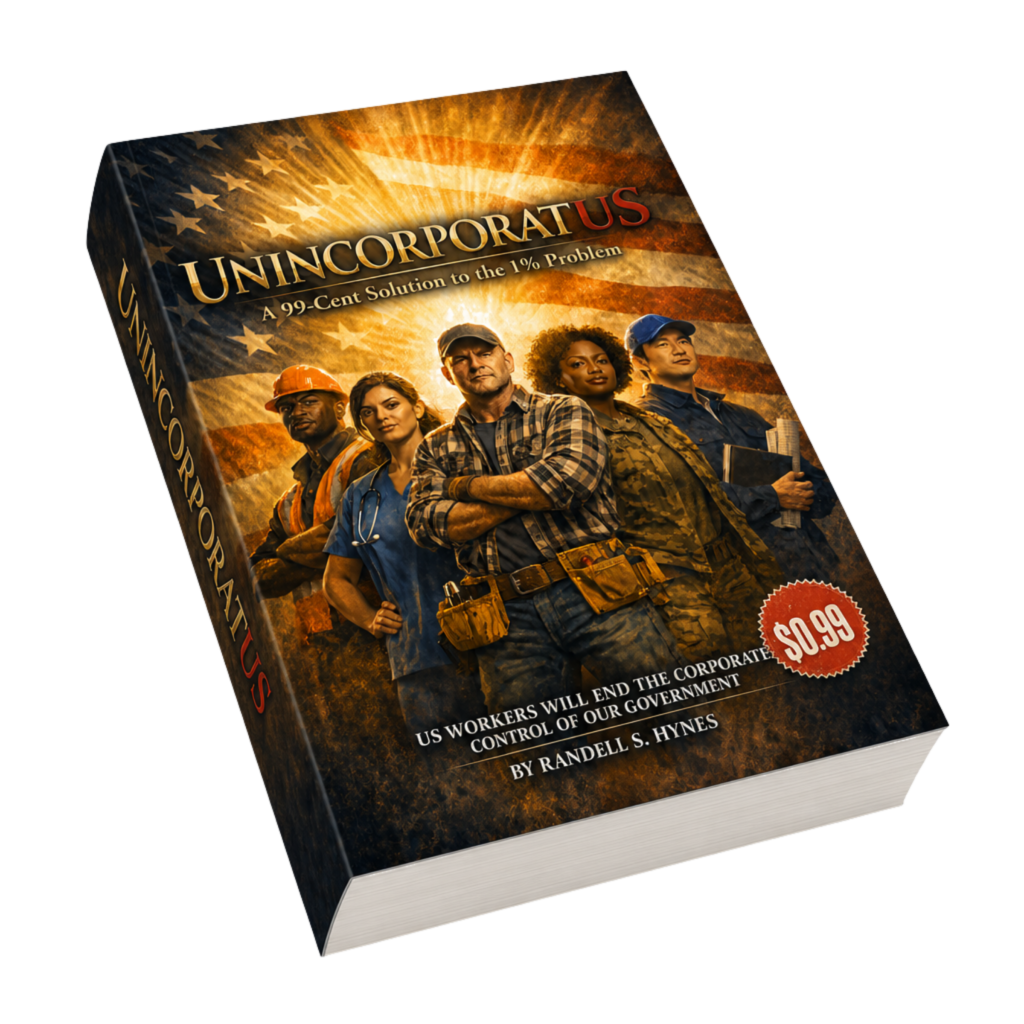
I founded Buildup Cooperative, a 501(c)(4) organization operating as U.S. Workers Alliance, and authored UNINCORPORĀTUS — a full constitutional and legislative roadmap for restoring worker sovereignty. I led Team Kennedy Nevada and have spent years studying how movements actually win, not just how they march.
Religious and secular workers share a constitutional stake in restoring the US melting pot, defending equal law, family, faith, wages, and civic unity.
The Watchdog That Can’t Bark: How a Broken FEC Leaves $200 Million in Foreign-Influenced Election Spending Unchecked By Randell S. Hynes, Founder and President, US Workers Alliance May 21, 2026 On May 5, 2026, I Read more

Boomers Had One Duty: Warn Future Generations What Berries Not To Eat—We Failed By Randell S. Hynes There’s an old story about boiling a frog. Drop him in hot water, and he jumps right out. Read more
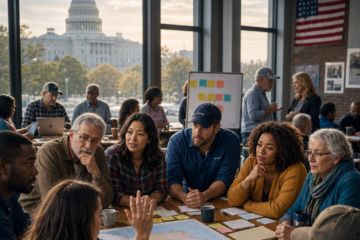
The People’s Champions We Need in Congress Are Already Among Us—Often the Unlikely, Reluctant Ones There is a proven model for electing them in 2028 and taking government back from corporations. Each of our next Read more
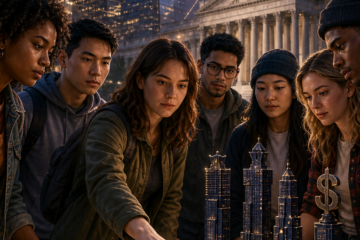
It is not the free market that broke. It is the market after corporate power captured the government. You are not imagining it. Rent is absurd. Student debt has shaped life decisions for an entire Read more
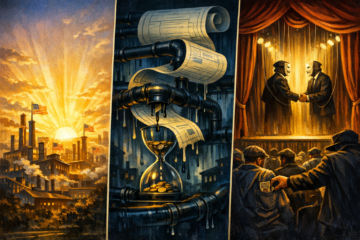
The Good, The Bad, and The Ugly Conclusion Human Sovereignty Restored By Randell Hynes, Founder & President, US Workers Alliance In Sergio Leone’s masterpiece, three men race across the Civil War-ravaged landscape in pursuit of Read more

How Rubio, Bessent, and Warsh Are Building the Most Coherent Challenge to Globalism in 50 Years Randell Hynes, Founder & President, US Workers Alliance On February 14, 2026, Secretary of State Marco Rubio stood before Read more
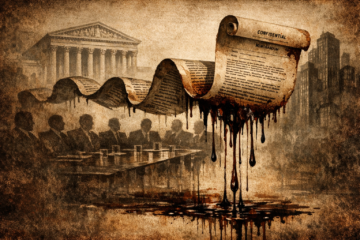
How a 1971 Memo and the US Chamber of Commerce Spent 50 Years Destroying the American Worker Part II of the Clean Slate 2028 Series By Randell Hynes, Founder & President, US Workers Alliance On Read more
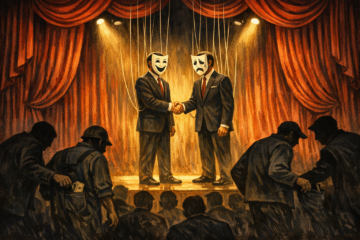
Donald Trump and the US Chamber of Commerce Are Dance Partners While 170 million American Workers Cannot afford the Cover Charge Part III of the Clean Slate 2028 Series By Randell Hynes, Founder & President, Read more
The US Chamber of Commerce’s slow bleed of American workers “We hold these truths to be self-evident, that all men are created equal, that they are endowed by their Creator with certain unalienable Rights, that Read more